
Residential & commercial painting
Premium painting.
Professionally managed.
Custom homes, exterior painting, larger interior repaints, facilities and senior living. Careful preparation, clear communication and beautiful results, every time.
Spray Applications Cambridge
Spray applications in Cambridge represent a fast, even, and professional method of applying paint to residential and commercial surfaces, delivering superior finish quality when executed with proper technique and equipment.
ALOFT Group serves Cambridge and surrounding Ontario communities with expert spray painting services for both interior and exterior projects. Whether you are refreshing a commercial office, painting a residential interior, or applying specialty finishes to exterior surfaces, understanding the spray application process helps you appreciate the precision involved and ensures you partner with contractors who execute this technique correctly.
This guide walks you through the essential steps of spray application, from surface assessment through final coat application, so you understand what professional painters in Cambridge do to deliver lasting, high-quality results.
Assess and Prepare Your Surfaces
Surface preparation is the foundation of any successful spray application. Before any paint contacts your walls, doors, cabinets, or exterior surfaces, they must be clean, smooth, and properly primed. ALOFT Group treats this phase with the same meticulous care other painters rush through, because poor preparation undermines even the finest spray equipment.
Begin by inspecting the surface for damage, loose paint, mildew, or dirt. Sand rough areas with 120-150 grit sandpaper to create a uniform substrate. Fill holes, cracks, or gaps with quality spackling compound or caulk, depending on the surface material and gap width. For commercial projects in Cambridge where walls may have accumulated grime or slight discoloration, wash surfaces with a TSP (trisodium phosphate) solution or appropriate cleaner, then allow complete drying. Prime any bare wood, patched areas, or stained surfaces with a primer matched to your topcoat system. Proper primer selection matters: oil-based primers bond differently than latex, and blocking primers serve specific purposes when covering stains or odors. This preparation typically requires 1-3 days depending on surface condition and drying times.
Set Up Equipment and Protect Your Space
Spray application requires careful equipment setup and thorough protection of areas you do not intend to paint. A professional spray system uses either an airless sprayer (pressurized paint delivery without compressed air) or HVLP (high-volume, low-pressure) equipment, each suited to different project types and surfaces.
Airless sprayers deliver paint at 2000-3000 PSI and cover large areas quickly with minimal overspray, making them ideal for residential and commercial exterior painting in Cambridge. HVLP systems operate at lower pressures with higher air volume, producing finer atomization and less overspray, preferred for fine finishes, cabinets, and sensitive interior spaces. Filter your paint through a mesh strainer to remove any debris or lumps that could clog the spray tip. Install the correct tip size: 0.011 to 0.015 inches works for most architectural paints, while thicker primers may require 0.017 or 0.019 inch tips. Pressure settings vary by equipment and material but typically range from 1800-3200 PSI for airless work; consult your sprayer manual for exact specifications.
Protect everything surrounding your work area. Use plastic sheeting taped along edges with painter's tape to isolate flooring, furniture, and adjacent surfaces. For exterior Cambridge homes, cover landscaping, parked vehicles, and window glass with drop cloths or plastic. Mask trim, fixtures, and architectural details with painter's tape, pressing edges firmly to prevent paint seepage. Proper masking prevents costly cleanup and protects your property value.
Thin and Mix Your Paint Correctly
Paint consistency directly affects spray performance. Unthinned paint clogs nozzles, produces uneven atomization, and leaves heavy buildup. Under-thinned paint causes sputtering and poor coverage. ALOFT Group technicians thin paint to the viscosity recommended by the paint manufacturer, typically measured with a viscosity cup.
Standard architectural latex paint often sprays at 90-110 seconds when measured with a Ford Cup 4 (the industry standard). Oil-based paints and specialty coatings have different viscosity targets; follow the product datasheet precisely. Add thinner incrementally, mixing thoroughly after each addition, rather than guessing at proportions. Stir paint for 2-3 minutes with a power mixer to ensure uniform color and binder distribution. If your paint has been sitting for weeks, remix even if it appears homogeneous, because pigments and resins can stratify. For commercial projects spanning multiple days, strain paint daily to remove any skin or debris that may have accumulated in the bucket.
Establish Your Spray Technique and Pressure Settings
Proper spraying technique prevents lap marks, drips, and uneven coverage. Hold the spray gun perpendicular to the surface at a consistent distance, typically 8-12 inches depending on your equipment and the paint's atomization characteristics. Move the gun in smooth, overlapping passes, triggering the spray just before you start each stroke and releasing after you complete it, rather than pulling the trigger while aiming at the surface.
Begin each pass at the edge of the previous one, overlapping by about 50 percent. This overlap prevents striping and ensures uniform wet-film thickness. Maintain steady arm speed and wrist alignment; rushing produces starved areas where too little paint deposits, while slow passes create excessive buildup and drips. For vertical surfaces, spray from bottom to top in overlapping horizontal passes so gravity helps you maintain control. For horizontal surfaces like decks or ceilings, use side-to-side passes with 50 percent overlap.
Test your pressure and tip size on a practice board before spraying your actual project. The spray pattern should be even, with no tailing, sputtering, or inconsistent atomization. Pressure that is too low produces a narrow, tailed pattern and incomplete coverage. Pressure that is too high atomizes paint so finely it dries mid-air, reducing gloss and creating a dusty appearance. The sweet spot for most residential and commercial work in Cambridge falls between 2000-2500 PSI for airless equipment, but adjust based on what you observe on the practice surface.
Apply Paint in Thin, Consistent Coats
Most architectural projects require two topcoats to achieve proper coverage, hide previous colors, and ensure durability. Apply the first coat at full wet film thickness per the paint manufacturer's recommendation, typically 3-4 mils for latex architectural paint. Wet film thickness translates to dry film after solvent evaporates; aim for 1.5-2.5 mils dry film, which provides adequate protection and appearance.
Allow the first coat to dry fully before applying the second. Drying time varies by temperature, humidity, and paint type: latex paints typically dry to recoat within 2-4 hours at 70 degrees Fahrenheit with moderate humidity, while oil-based paints require 6-12 hours or longer. Recoating before full cure can cause bleed-through, uneven sheen, or adhesion problems. ALOFT Group monitors weather conditions and drying schedules carefully, because rushing between coats compromises finish quality. Between coats, lightly sand any dust particles or stipple texture with 220-grit paper, then vacuum and wipe surfaces with a tack cloth to remove all sanding dust. Even small particles become visible through the second coat, interrupting the smooth, professional appearance.
Proper spray application combines meticulous surface preparation, correct equipment setup, and patient execution of thin, overlapping coats. No single step is optional if you want results that last.
Maintain Equipment and Monitor Drying Conditions
Spray equipment requires cleaning immediately after use to prevent paint from hardening in hoses, tips, and nozzles. Drain any excess paint from the tank into a disposal container, then run your chosen thinner through the entire system until the discharge runs clear. Soak the spray tip in thinner for stubborn buildup, using a fine wire to clear any blocked orifices if necessary. Compressed air can force hardened paint out of tight spaces, but wear eye protection because solvents and paint particles will spray back. Store equipment in a cool, dry location away from direct sunlight.
Environmental conditions significantly affect spray performance and drying. Temperature should remain between 50-85 degrees Fahrenheit during application and drying; outside this range, paint atomizes poorly and cures slowly or unevenly. Humidity below 30 percent or above 85 percent causes problems: low humidity accelerates surface drying while interior layers remain wet, trapping solvents and causing poor gloss; high humidity slows evaporation and invites moisture into the wet film. ALOFT Group schedules Cambridge painting projects to avoid extreme weather and monitors forecasts to ensure drying conditions remain favorable for the paint type used. Wind can carry spray mist away from your surface and introduce contamination, so shield your work area if conditions are gusty.
| Spray Application Variable | Airless Sprayer Typical Range | HVLP Sprayer Typical Range | Best Use |
|---|---|---|---|
| Operating Pressure | 2000-3000 PSI | 25-30 PSI air at cap | Airless for production speed; HVLP for fine detail |
| Spray Distance | 10-12 inches | 8-10 inches | Maintain perpendicular angle to surface |
| Coat Overlap | 50 percent | 50 percent | Prevents striping and uneven coverage |
| Typical Wet Film Thickness | 3-4 mils | 2-3 mils | Higher viscosity and pressure = heavier deposits |
| Recoat Time (at 70F, 50% RH) | 2-4 hours latex; 6-12+ hours oil | 2-4 hours latex; 6-12+ hours oil | Consult paint datasheet; conditions affect timing |
ALOFT Group brings decades of combined experience in residential painting, commercial office refreshes, and specialty finishes across Burlington, Oakville, Cambridge, and surrounding Ontario communities. Whether your project is a residential interior refresh, a commercial property update before tenant arrival, or exterior finishes on complex architectural surfaces, the spray application process demands precision, proper equipment, and unwavering attention to surface preparation. If you are planning a painting project in Cambridge and want to work with a painting contractor who treats every surface with the care and professionalism it deserves, reach out to discuss your specific needs and how we can deliver results that exceed your expectations.
Frequently Asked Questions
How long does spray application take for a typical residential project in Cambridge?
Timeline depends on project size, surface condition, and paint type. Surface prep typically requires 1-3 days; actual spray application for an average room takes 2-4 hours, plus drying time between coats (2-4 hours for latex, longer for oil). A full residential interior usually spans 4-7 days including prep and drying intervals.
What is the difference between airless and HVLP spray equipment?
Airless sprayers pressurize paint at 2000-3000 PSI and cover large areas quickly with minimal overspray, ideal for residential and commercial exteriors. HVLP systems use compressed air at lower pressures to create finer atomization with less overspray, preferred for fine finishes, cabinets, and sensitive interiors where precision matters more than speed.
Do I need to thin paint before spray application?
Yes. Unthinned paint clogs spray nozzles and produces poor atomization. Most architectural latex paint should reach 90-110 seconds viscosity when measured with a Ford Cup 4. Consult your paint datasheet for exact thinning ratios and use quality thinner appropriate to your paint type.
Why is surface preparation so critical before spray painting?
Proper prep removes debris, fills imperfections, and ensures uniform primer coverage, creating a smooth substrate that accepts paint evenly. Poor prep leads to visible defects, uneven sheen, peeling paint, and premature finish failure, regardless of spray technique or equipment quality.
Talk to the team
Planning a project in your area?
Tell us what you’d like to paint. You’ll get a comprehensive quotation and a detailed project schedule.
Why ALOFT Group
- Residential and commercial painting since 2014
- 100+ custom homes painted
- Fully insured + WSIB compliant
- Free virtual colour consultation with Rebecca Misiak
- Exterior warranty of up to 10 years on qualifying projects
Book an estimate
Get your free estimate
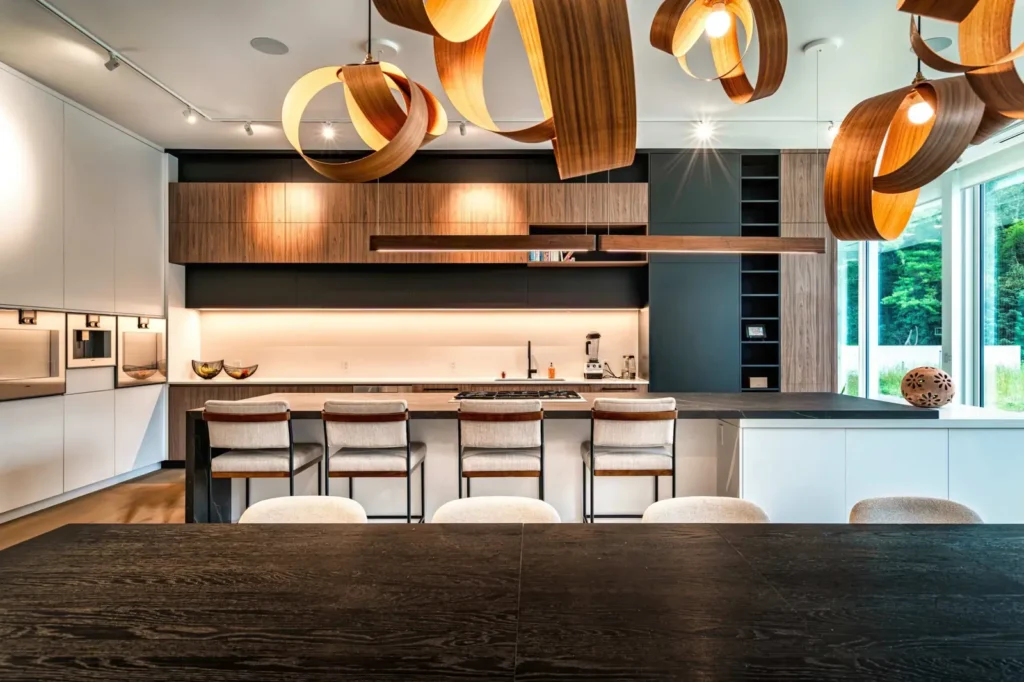
Interior
Beautiful, calming interior spaces for how you live.
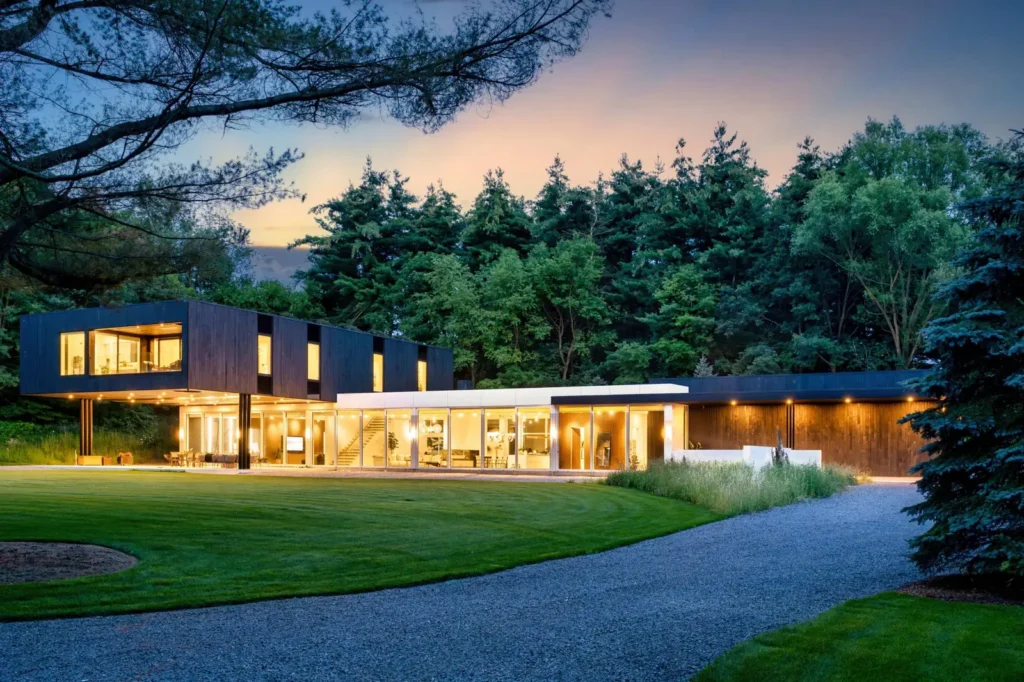
Exterior
Protection and curb appeal that endures.
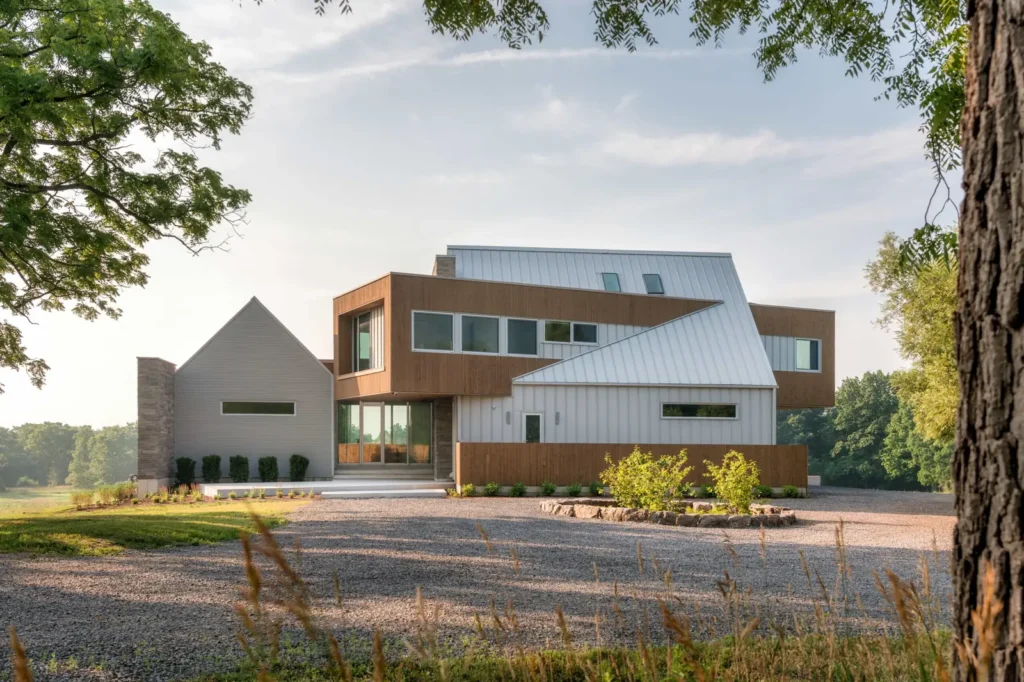
Custom Homes
Refined finishes for exceptional homes.
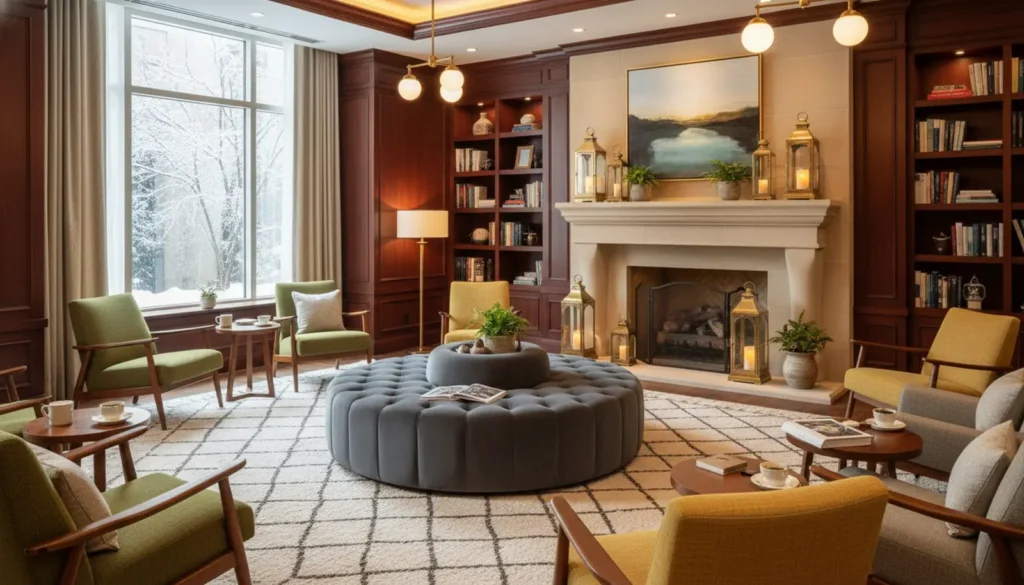
Senior Living & Facilities
Dependable, professional painting for people and places that matter.
Featured projects
Beautiful Spaces. Lasting Results.
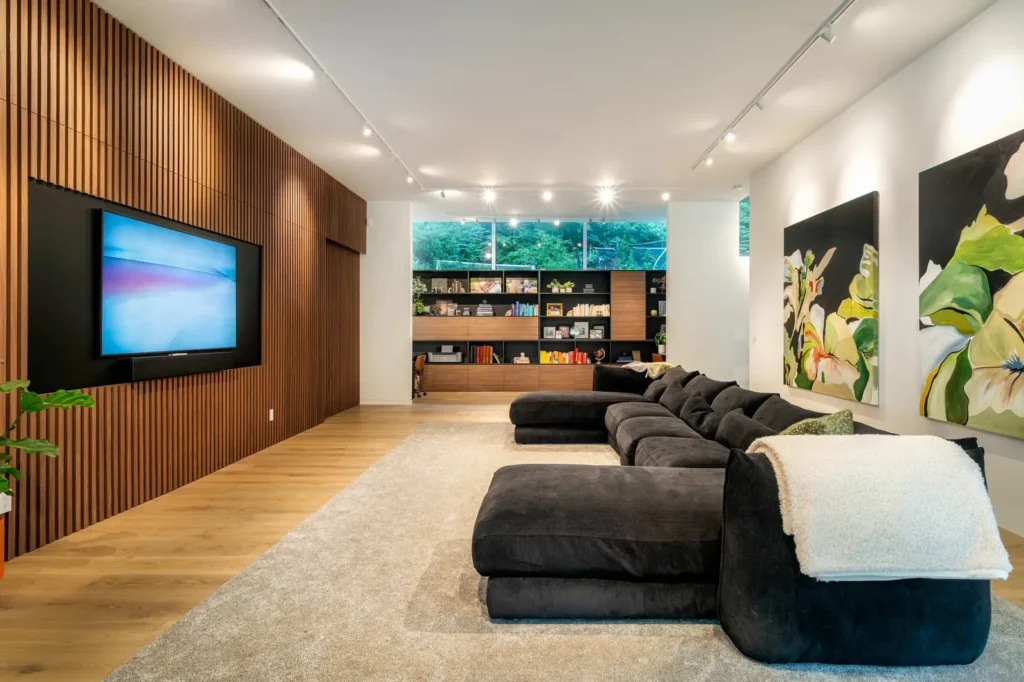
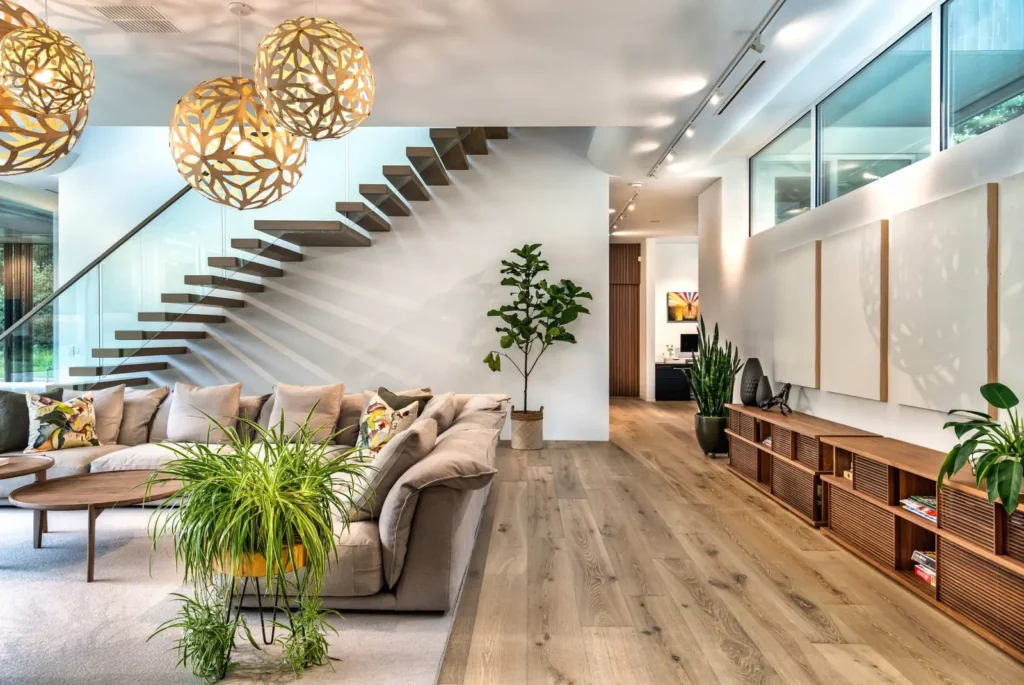
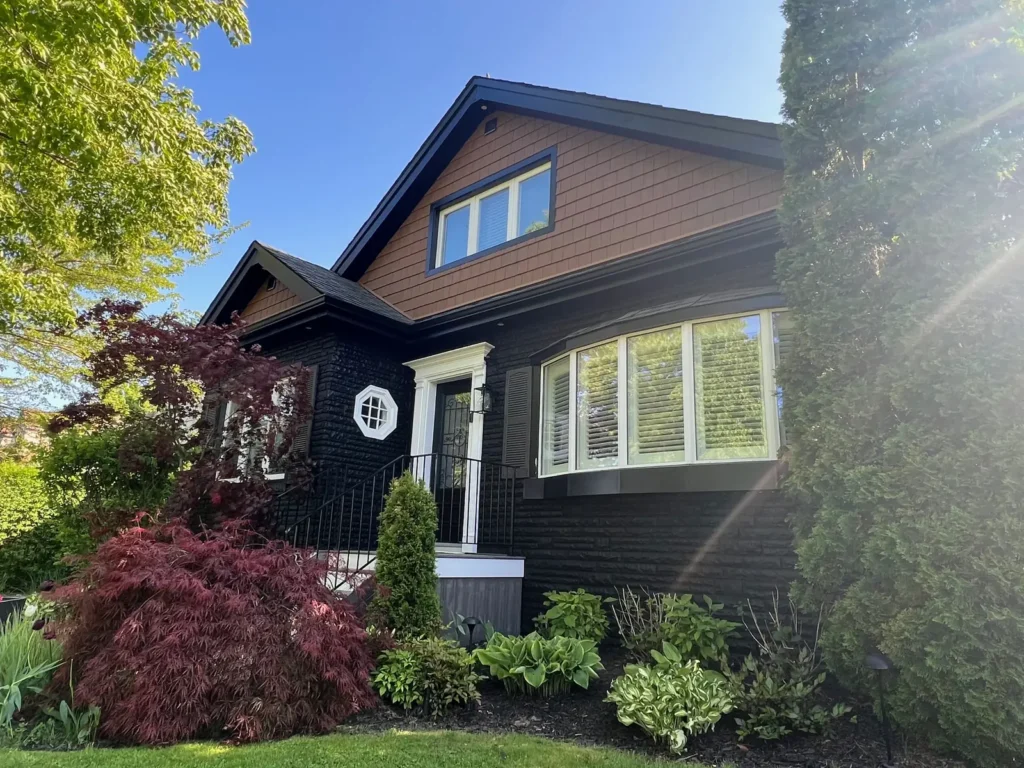
What Our Clients Say
“Aloft Group recently completed an exterior makeover to our old and dated “red rug” brick exterior. They used high end exterior paint and top of the line equipment to get the job done on time and on budget. Jeff and Joel were a pleasure to work with, real quality guys through and through.”
Mitch M.
“I’ve been using Jeff for years. He’s been nothing but professional, prompt, knowledgeable and his work has been nothing short of meticulous.”
Marisa B.
“Had them paint 5 rooms in my home and they were excellent. Very professional.”
Dan S.
“Store looks great, you guys were quick, professional, worked around my business hours and made no disruption to my sales and customers. Would definitely recommend and call you again.”
Milena D.
“Awesome painters! Painted 2 houses for us. On time every time. Great communication. Easy to work with and know their product. Highly recommend Aloft Painters.”
Mieka C.
Based on 150+ Google Reviews

- 100+ Custom Homes Painted
- $14M+ of Completed Projects
- As Seen on HGTV’s Bryan Inc.
- Fully Insured + WSIB compliant